
Myofascial Structural Therapy & Fascial Assessment $145/90 min
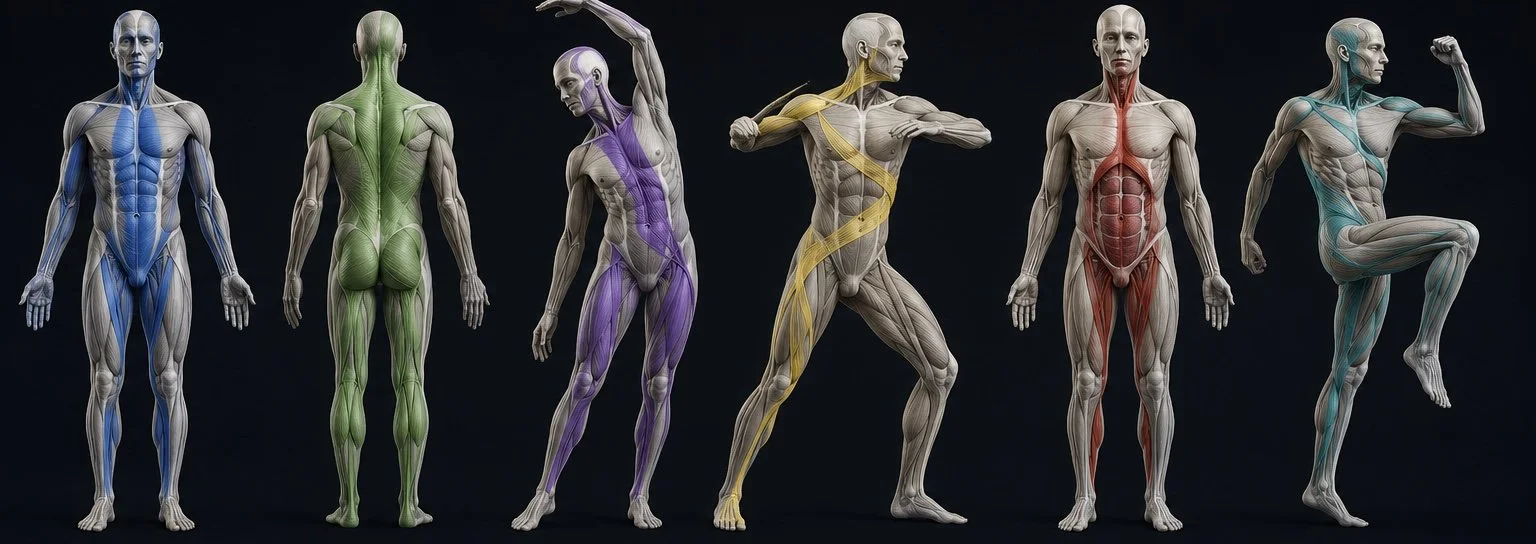
Restore Movement by Restoring the Fascial System
Your body is held together by an intricate web of connective tissue called fascia. This three-dimensional network surrounds and supports every muscle, bone, nerve, blood vessel, and organ, allowing your body to move as one connected system.
When fascia becomes restricted due to injury, repetitive movement, poor posture, surgery, or chronic stress, it can create tension, limit mobility, alter posture, and contribute to pain in areas far from the original restriction.
Structural Myofascial Therapy is a specialized, assessment-based treatment designed to identify and address these restrictions. Rather than chasing symptoms, each session follows the body’s interconnected fascial system to restore healthy movement, improve mobility, and reduce the compensation patterns contributing to pain and dysfunction.
Every treatment is customized to your body’s unique needs and may incorporate Structural Myofascial Therapy, Instrument Assisted Soft Tissue Mobilization (IASTM), therapeutic cupping, targeted trigger point therapy, and movement-based techniques to create lasting change.
Focused Structural Bodywork for Lasting Change
Myofascial Structural Therapy is a specialized form of hands-on bodywork that works with the body’s fascial system to address restriction, tension, movement patterns, and structural imbalance.
This is not a massage.
Rather than using flowing massage strokes or working primarily through the muscles, Myofascial Structural Therapy uses slow, deliberate techniques to engage the fascia—the connective tissue network that surrounds and connects muscles, bones, joints, nerves, and other structures throughout the body.
Very little lotion is used, if any. This allows me to maintain the traction needed to engage the fascia rather than glide across the surface of the skin.
Each session is individualized according to what I find in your body that day. There is no predetermined series or one-size-fits-all treatment plan. We assess, work, reassess, and allow your body’s response to guide what comes next.
What to Expect
Before your appointment: Important: Intake Form Required
Because Myofascial Structural Therapy is an individualized, assessment-based service, your completed intake form must be submitted at least 24 hours before your scheduled appointment.
Your intake information is reviewed in advance so I can consider your goals, areas of concern, relevant history, and the structural approach that may be most appropriate for your session before you arrive.
This advance preparation is an important part of providing focused, intentional structural work and allows your appointment time to be used as effectively as possible.
If your completed intake form is not received at least 24 hours before your appointment, your Myofascial Structural Therapy session may need to be rescheduled.
Please provide as much detail as possible when completing your intake questions. The information you provide helps guide both the initial assessment and the approach to your session.
At your appointment:
1. Comprehensive Assessment (10-15 Minutes)
Every session begins with a detailed assessment to understand how your body is moving before treatment begins. We begin by talking about what you’re experiencing and what you would like to address.
Depending on your goals your assessment may include:
Postural evaluation
Range of motion testing
Functional movement assessment
Fascial and tissue evaluation
Discussion of your symptoms and goals
This allows treatment to focus on the areas creating dysfunction rather than simply treating where you feel pain. The purpose isn’t to diagnose a medical condition. It is to give us a starting point for the structural work and identify patterns that may be important to explore.
2. Structural Myofascial Treatment (50-60 Minutes)
Treatment focuses on restoring mobility within your fascial system using slow, intentional techniques that encourage healthy tissue glide and improved movement throughout the body.
Depending on your individual needs, your session may include:
Structural Myofascial Therapy: sustained myofascial techniques.
Instrument Assisted Soft Tissue Mobilization (IASTM)
Therapeutic Cupping
Targeted Trigger Point Therapy
Assisted Stretching and Movement
Every technique is chosen based on your assessment findings. Rather than following a routine, treatment is guided by how your body responds throughout the session.
3. Integration & Recovery (10-15 Minutes)
Once structural treatment is complete, the session transitions into a recovery phase designed to help your body integrate the changes created during treatment.
Gentle integration techniques such as stretching and breathing exercises are followed by a warm magnesium recovery compress, allowing your body and nervous system time to absorb the treatment before returning to everyday movement. Then ice globe massage will be done in the area worked to reduce inflamation and speed recovery.
This intentional transition helps reduce protective muscle guarding while encouraging your body to adapt to its new movement patterns.
4. Reassessment & Home Care (5-10 Minutes)
Before your session concludes, we’ll reassess your posture, movement, and range of motion to compare your progress from the beginning of your appointment.
Together we’ll review your results, discuss any remaining movement restrictions, and determine the next steps that best support your goals.
Within 24 hours, you’ll also receive a personalized follow-up email with home exercises, movement recommendations, and self-care techniques designed to reinforce your treatment and help your body continue integrating the changes made during your session.
What Does It Feel Like?
Myofascial work feels very different from traditional massage.
Techniques are generally slower and more sustained. Rather than repeatedly moving over an area, I may engage the tissue and gradually follow it as it begins to soften, lengthen, or change.
Some of the work can be intense.
Intensity does not necessarily mean more pressure. Fascial restrictions can be sensitive, and sustained engagement of those tissues may create strong sensations even when tremendous force is not being used.
You may experience pulling, stretching, pressure, warmth, tenderness, or sensation somewhere other than the exact area being worked. Because fascia forms an interconnected network throughout the body, the place where you feel discomfort isn’t always the only place influencing it.
Communication is encouraged throughout the session. Structural work should be productive without becoming something you have to brace against or endure.
Treat the Cause, Not Just the Symptoms.
Pain is often the result of compensation elsewhere in the body. By assessing movement, restoring healthy fascial mobility, and measuring changes before and after treatment, Structural Myofascial Therapy is designed to improve how your body moves as a whole—creating meaningful, lasting change rather than temporary relief.